


Learning from Europe’s University Alliances: Reflections from the DiPYUA Workshop in Málaga
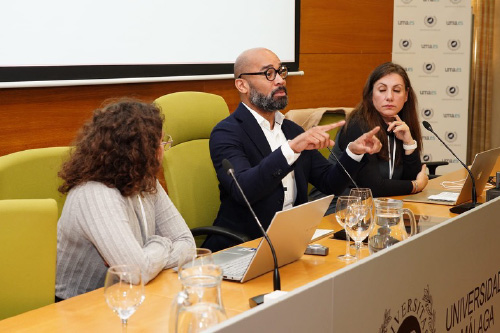
19 February 2026At the end of January, colleagues from across Europe gathered at the University of Málaga for the satellite workshop “The Digital Platforms of Young University Alliances (DiPYUA): Challenges & Best Practices”. Over two intensive and inspiring days, the workshop brought together representatives from first- and second-generation European University Alliances, young alliances, and platform developers to share experiences, challenges, and lessons learned around one of the most complex aspects of alliance building: digital platforms.
Why digital platforms matter for alliances
For many European University Alliances, the digital platform is much more than a technical solution. It is the backbone that enables joint courses, microcredentials, collaboration across institutions, and ultimately the everyday experience of students and staff engaging across borders. As several speakers highlighted, designing and sustaining such platforms is often one of the most demanding tasks in the early phases of an alliance.
The DiPYUA workshop was designed precisely to create space for reflection and exchange on these issues. By bringing together alliances that have taken different strategic and technical paths, the workshop made it possible to compare approaches and learn from concrete, real-world experience.
Learning from established alliances
The first day focused on experiences from first- and second-generation alliances such as ARQUS, Ulysseus, UNIC, UNIgreen, and NeurotechEU, the Alliance in which Karolinska Institutet in collaboration with the INCF Secretariat are leading the development of the Alliance’s digital platform. Presentations and discussions highlighted common challenges: integrating heterogeneous institutional systems, managing identity and access for joint-degree students, supporting microcredentials, and balancing ambition with limited resources.
What stood out was how similar many of these challenges are, regardless of the alliance’s size or disciplinary focus. At the same time, the sessions showed that there is no single “correct” solution: alliances have adapted their digital ecosystems to their specific governance models, maturity levels, and strategic priorities.
Exploring purpose-built platforms
The second day shifted focus toward platform solutions tailored specifically for European University Alliances, with presentations on Agora and Outfox. Hearing directly from the creators of these platforms, as well as from alliance users such as UNITE!, UNINOVIS, COLOURS, and ENGAGE.EU, was reassuring to know that our strategy for developing the NeurotechEU digital platform, Campus+, is aligned with the strategies employed by other alliance.
Rather than promoting one platform over another, the discussions emphasised complementarity: different platforms excel at different things, whether it is enrolment workflows, credential management, or community engagement. This perspective resonated strongly with participants from younger alliances, who are still shaping their long-term digital strategies.
Beyond the sessions: the value of exchange
Equally important were the informal conversations and the cultural visit to Málaga’s Pompidou Centre. These moments allowed participants to connect beyond their formal roles, compare notes candidly, and build relationships that will likely continue well beyond the workshop.
For me, the key takeaway was reassurance: the challenges that we have faced are shared, and a growing body of collective knowledge exists within the European University Alliance community. Workshops like DiPYUA play a crucial role in making that knowledge visible and accessible.
Looking ahead
The DiPYUA workshop underscored that digital platforms are not just technical projects but long-term organisational and collaborative endeavours. As alliances continue to evolve, ongoing dialogue between universities, platform developers, and practitioners will be essential.
Participating in this workshop was a valuable opportunity to step back, learn from peers across Europe, and reflect on how digital choices shape collaboration, inclusion, and innovation in higher education. Málaga provided not only a welcoming setting, but also a strong reminder of the power of shared experience in tackling complex challenges together.